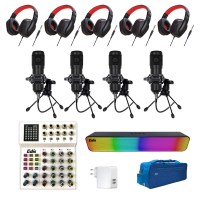
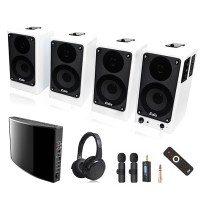
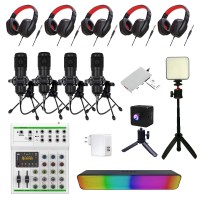
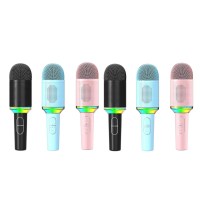
1. Enhancing Student Engagement and Learning OutcomesImproved Oracy & Literacy Skills: Podcasting helps students articulate ideas, practice reading fluency, and build confidence in communication. Creative & Critical Thinking: Encourages students to research, script, and produce their own podcasts, fostering independent learning and teamwork. 2. Making Learning More AccessibleSupports SEN (special educational needs) learners: audio-based learning benefits dyslexic students, visually impaired learners, and those with reading difficulties. Inclusive Learning Experience: Podcasting accommodates different learning styles, making content more engaging than traditional reading or writing tasks. |
3. Preparing Students for Future CareersReal-world digital skills: podcasting introduces students to audio production, content marketing, and digital publishing, skills essential for media, journalism, and creative industries. Cross-curricular applications: podcasting is not limited to media studies – it can be used in history, science, geography, and business studies to create student-led learning projects. 4. Reducing Teacher Workload & Enhancing Lesson DeliveryFlipped classroom model: teachers can pre-record lessons, allowing students to access content anytime, anywhere. |
Reusability of Lessons: A library of recorded educational podcasts can be built over time, reducing the need for lesson repetition. 5. Strengthening School & Community EngagementShowcasing Student Work: Schools can publish podcasts on school websites or social media, celebrating student achievements. Parental engagement: parents can listen to student-produced podcasts, keeping them informed and engaged in their child's learning.
Contact us |

4K 60 fps Digittal Auto-focus Camera with deskstand that ...

4K 30 fps 20 mega pixel anti-shake singlel display camera ...